What makes a tree protected and how to find out
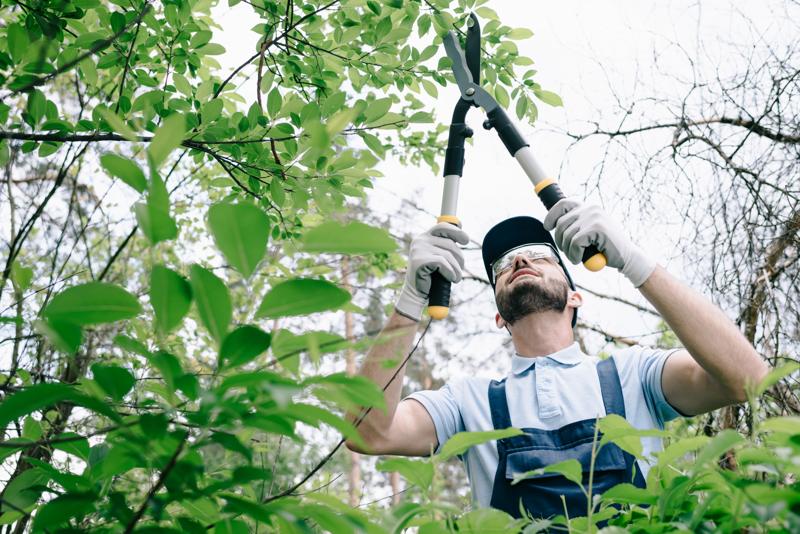
Trees play a crucial part in the environment by providing shade, fresh air and aesthetic value to our surroundings. However, not all trees are identical and some are granted extra protection status, which makes it illegal to do any activity without authorization. If you’re thinking of having a tree removed, it’s essential to understand the protection status of the tree you’re considering, and what steps you’ll need to take to ensure compliance with the legal requirements. This article we’ll guide you through the steps to determine if a tree is protected and what you have to do to ensure you are acting within the law.
What exactly is a tree that is protected?
A protected tree has been subjected to certain laws and regulations, and it’s illegal to do works on a tree without the required permissions. There are two types of protection that a tree may have - statutory protection and preservation orders.
Statutory protection
Under legal protection trees are protected by law and are under the control of Tree Preservation Orders (TPOs). TPOs are issued by local authorities to safeguard trees of significant public value and to ensure that they do not get damaged or destroyed.
Preservation orders
Preservation orders are like TPOs in that they are put in place from the Secretary of State responsible for Environment. Trees with preservation orders are considered to be of exceptional value and are protected from all work, which includes the felling.
How can I tell if a tree is protected?
To determine whether a tree is protected, you need to check if it is subject to the protection of a TPO or preservation or protection order. It is done by contacting the local authority and asking them to check their records.
TPO search
If you want to find the TPO, you can contact your local Tree or Woodland Official at your local authority. They will inform you whether the tree is in the protection. They’ll also be able advise you on the next steps you should follow if the tree is in a protected area.
Preservation order search
To search for a preservation order, you must contact Secretary of State, Department of the Environment. They will be able to determine if the tree is protected and will provide the information you require and direction.
FAQs:
What is the consequence if I do work on a protected tree without permission?
If you carry out work on a protected tree without obtaining the necessary authorizations, you could be subject to substantial fines and even imprisonment.
Can I appeal a TPO or preservation order?
You can appeal to a TPO or preservation decision if you feel it is unjustified. You will have to provide evidence to support your claim and explain your argument as to why you believe that the TPO or order to preserve isn’t needed.
Can I remove a protected tree?
It is unlawful to take down protected trees without the required permissions. If you need removal of the tree then you must seek permission from the council and provide evidence to support your case.
Conclusion
In the end, determining if trees are protected is a crucial aspect in ensuring that tree work is legally completed. If you know the various types of protection, and knowing how to check for them to ensure you’re following the law and safeguarding the trees that you are responsible for. If you’re unsure of the nature of the protection of trees, we suggest consulting a reputable tree specialist like Blacktown Tree Lopping. Our experienced arborists will be able to inform you about the protection status of your trees, and will guide you through the steps to ensure that you are complying with the laws. With our expertise and commitment to providing high-quality tree services, we can help you preserve the beauty and worth for your tree. Call us now at 0480 024 203 to schedule a consultation, and let us help you keep your trees safe and healthy.